


 Theme - Default
October 2024
Tuesday, 29 October 2024 00:00
Facts About Bunions
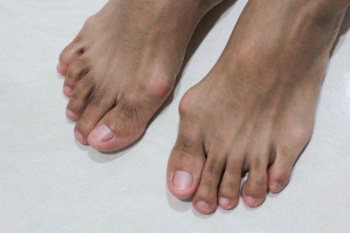
A bunion is a bony bump that forms at the base of the big toe, causing the toe to angle toward the second toe. This condition often leads to discomfort and changes in foot shape. Several factors contribute to the development of bunions, including genetic predisposition, wearing tight or ill-fitting shoes, and certain foot conditions such as flat feet. Signs of a bunion include redness, swelling, and pain surrounding the affected joint, particularly when wearing shoes. Individuals may also notice a visible bump on the side of the foot, which can become more pronounced over time. In some cases, the condition can lead to difficulty in walking or participating in physical activities. If you see the beginning signs of a bunion forming, it is suggested that you contact a podiatrist who can monitor its progression, and offer you relief tips.
If you are suffering from bunions, contact Milos Tomich, DPM of Dr. Tomich Foot & Ankle Health Center. Our doctor can provide the care you need to keep you pain-free and on your feet.
What Is a Bunion?
A bunion is formed of swollen tissue or an enlargement of boney growth, usually located at the base joint of the toe that connects to the foot. The swelling occurs due to the bones in the big toe shifting inward, which impacts the other toes of the foot. This causes the area around the base of the big toe to become inflamed and painful.
Why Do Bunions Form?
Genetics – Susceptibility to bunions are often hereditary
Stress on the feet – Poorly fitted and uncomfortable footwear that places stress on feet, such as heels, can worsen existing bunions
How Are Bunions Diagnosed?
Doctors often perform two tests – blood tests and x-rays – when trying to diagnose bunions, especially in the early stages of development. Blood tests help determine if the foot pain is being caused by something else, such as arthritis, while x-rays provide a clear picture of your bone structure to your doctor.
How Are Bunions Treated?
- Refrain from wearing heels or similar shoes that cause discomfort
- Select wider shoes that can provide more comfort and reduce pain
- Anti-inflammatory and pain management drugs
- Orthotics or foot inserts
- Surgery
If you have any questions, please feel free to contact one of our offices located in Milwaukee and Wauwatosa, WI . We offer the newest diagnostic and treatment technologies for all your foot care needs.
Tuesday, 22 October 2024 00:00
What Causes a Bruised Heel?
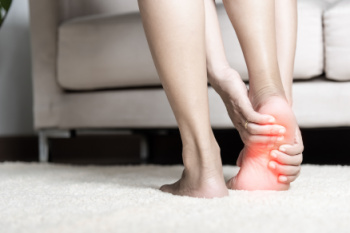
A bruised heel, also known as a heel contusion, occurs when the heel experiences trauma or impact, leading to damage of the soft tissues and blood vessels. This condition often results from activities that involve jumping, running, or walking on hard surfaces. Symptoms typically include localized pain, swelling, and tenderness on the heel. The area may also appear discolored due to internal bleeding. The pain is usually sharp and may worsen with pressure or movement. Relief for a bruised heel involves rest to avoid aggravating the injury, and performing gentle stretching exercises to promote healing. Pain relief medication can help manage discomfort. If symptoms persist or worsen, it is suggested you schedule an appointment with a podiatrist for a thorough evaluation, and to rule out more serious injuries.
Many people suffer from bouts of heel pain. For more information, contact Milos Tomich, DPM of Dr. Tomich Foot & Ankle Health Center. Our doctor can provide the care you need to keep you pain-free and on your feet.
Causes of Heel Pain
Heel pain is often associated with plantar fasciitis. The plantar fascia is a band of tissues that extends along the bottom of the foot. A rip or tear in this ligament can cause inflammation of the tissue.
Achilles tendonitis is another cause of heel pain. Inflammation of the Achilles tendon will cause pain from fractures and muscle tearing. Lack of flexibility is also another symptom.
Heel spurs are another cause of pain. When the tissues of the plantar fascia undergo a great deal of stress, it can lead to ligament separation from the heel bone, causing heel spurs.
Why Might Heel Pain Occur?
- Wearing ill-fitting shoes
- Wearing non-supportive shoes
- Weight change
- Excessive running
Treatments
Heel pain should be treated as soon as possible for immediate results. Keeping your feet in a stress-free environment will help. If you suffer from Achilles tendonitis or plantar fasciitis, applying ice will reduce the swelling. Stretching before an exercise like running will help the muscles. Using all these tips will help make heel pain a condition of the past.
If you have any questions please contact one of our offices located in Milwaukee and Wauwatosa, WI . We offer the newest diagnostic and treatment technologies for all your foot and ankle needs.
Sunday, 20 October 2024 00:00
Are Bunions Affecting Your Everyday Life?
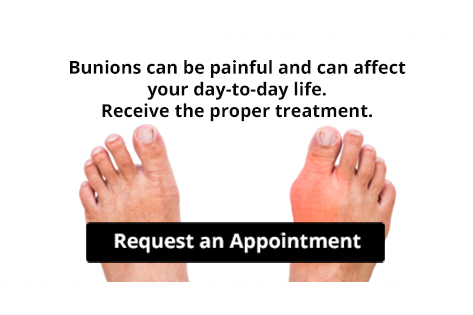
Have you noticed a bony protrusion on the side of your big toe? If so, you may have developed the foot condition known as a bunion. Don't let bunions interfere with your daily activities.
Tuesday, 15 October 2024 00:00
Causes of Tarsal Tunnel Syndrome
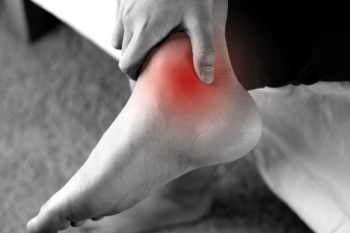
Tarsal tunnel syndrome is a condition resulting from compression of the posterior tibial nerve as it passes through the tarsal tunnel, located on the inside of the ankle. This compression can result in such symptoms as numbness, tingling, and burning pain in the foot and toes. The condition is often caused by repetitive stress, injury, or inflammation that narrows the tarsal tunnel and places pressure on the nerve. Other contributing causes include flat feet, cysts, or varicose veins. Symptoms of tarsal tunnel syndrome typically worsen with activity and may improve with rest. If you have pain in this area of your foot, it may indicate tarsal tunnel syndrome. It is suggested that you consult a podiatrist who can accurately diagnose and treat this condition.
Tarsal tunnel syndrome can be very uncomfortable to live with. If you are experiencing tarsal tunnel syndrome, contact Milos Tomich, DPM of Dr. Tomich Foot & Ankle Health Center. Our doctor can provide the care you need to keep you pain-free and on your feet.
Tarsal Tunnel Syndrome
Tarsal tunnel syndrome, which can also be called tibial nerve dysfunction, is an uncommon condition of misfiring peripheral nerves in the foot. The tibial nerve is the peripheral nerve in the leg responsible for sensation and movement of the foot and calf muscles. In tarsal tunnel syndrome, the tibial nerve is damaged, causing problems with movement and feeling in the foot of the affected leg.
Common Cause of Tarsal Tunnel Syndrome
- Involves pressure or an injury, direct pressure on the tibial nerve for an extended period of time, sometimes caused by other body structures close by or near the knee.
- Diseases that damage nerves, including diabetes, may cause tarsal tunnel syndrome.
- At times, tarsal tunnel syndrome can appear without an obvious cause in some cases.
The Effects of Tarsal Tunnel Syndrome
- Different sensations, an afflicted person may experience pain, tingling, burning or other unusual sensations in the foot of the affected leg.
- The foot muscles, toes and ankle become weaker, and curling your toes or flexing your foot can become difficult.
- If condition worsens, infections and ulcers may develop on the foot that is experiencing the syndrome.
A physical exam of the leg can help identify the presence of tarsal tunnel syndrome. Medical tests, such as a nerve biopsy, are also used to diagnose the condition. Patients may receive physical therapy and prescriptive medication. In extreme cases, some may require surgery.
If you have any questions please feel free to contact one of our offices located in Milwaukee and Wauwatosa, WI . We offer the newest diagnostic and treatment technologies for all your foot and ankle needs.
Tuesday, 08 October 2024 00:00
Foot Pain From Standing All Day at Work
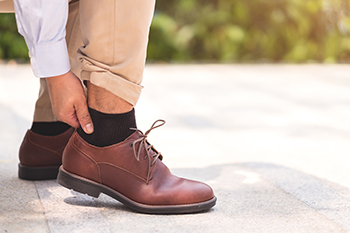
Foot pain from standing at work all day is a common issue, especially for those in jobs requiring prolonged periods of standing or walking. This discomfort is often caused by pressure on the feet, leading to conditions like plantar fasciitis, heel spurs, or arch strain. Wearing unsupportive shoes or standing on hard surfaces can worsen the problem, leading to foot fatigue, swelling, and even long-term damage. Symptoms may include aching, burning, or sharp pain in the arches, heels, or balls of the feet. Over time, the pain can spread to the ankles, knees, or lower back. To manage foot pain, it is important to wear supportive footwear with proper arch support and cushioning. If you have foot pain for any reason, it is suggested that you consult a podiatrist for a tailored treatment plan.
While working on the feet, it is important to take the proper care of them. For more information about working on your feet, contact Milos Tomich, DPM from Dr. Tomich Foot & Ankle Health Center. Our doctor will treat your foot and ankle needs.
Working on Your Feet
Standing on your feet for long periods of time can cause stress and pain in your feet. Your whole body may experience change in terms of posture, back pain, bunions, callouses and or plantar warts. There are ways to avoid these conditions with proper foot care, smart choices and correct posture.
Positive Changes
Negative heeled shoe – Choosing this shoe type places the heel slightly lower than the ball of the foot. These are great for overall foot health. Find shoes that fit you correctly.
Go barefoot – Our feet were not designed to be enclosed for all hours of the day. Try to periodically expose your feet to air.
Eliminate Pain
Foot Exercises – Performing simple exercises, incorporating yoga and doing stretches are beneficial. This will allow increased blood flow to the area and muscles of the foot.
Achilles tendon – Stretching the foot out flat on the floor will relax the calf muscles and tendon. These exercises can be performed almost anywhere. Make sure you add these exercises to your daily regimen.
With a little bit of this information and knowing more about foot health, you will notice changes. Foot stretches and proper footwear will help with pain and prevent further issues.
If you have any questions please feel free to contact one of our offices located in Milwaukee and Wauwatosa, WI . We offer the newest diagnostic and treatment technologies for all your foot and ankle needs.
Tuesday, 01 October 2024 00:00
Poor Circulation in the Legs and Feet
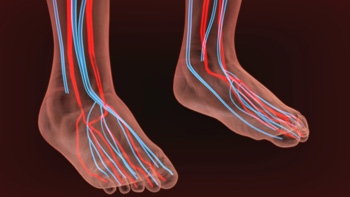
Poor circulation in the legs and feet, often due to peripheral artery disease, or PAD, occurs when narrowed arteries reduce blood flow. Symptoms include coldness, numbness, tingling, cramping, or pain in the legs or feet, particularly while walking. The skin may appear pale or bluish, and slow-healing wounds or sores can develop on the lower extremities. Diagnosis involves a physical exam, checking pulses in the feet, and tests to measure blood pressure differences between the arms and legs. Ultrasound or angiography may also be used to evaluate blood flow. Treatment aims to improve circulation through lifestyle changes like exercise and managing conditions like diabetes and high blood pressure. Medications may be prescribed, and in severe cases, procedures to open or bypass blocked arteries are necessary. If you have symptoms of poor circulation in your feet, it is suggested that you visit a podiatrist who can help manage symptoms and prevent complications like foot ulcers or infections.
Poor circulation is a serious condition and needs immediate medical attention. If you have any concerns with poor circulation in your feet contact Milos Tomich, DPM of Dr. Tomich Foot & Ankle Health Center. Our doctor will treat your foot and ankle needs.
Poor Circulation in the Feet
Poor blood circulation in the feet and legs is can be caused by peripheral artery disease (PAD), which is the result of a buildup of plaque in the arteries.
Plaque buildup or atherosclerosis results from excess calcium and cholesterol in the bloodstream. This can restrict the amount of blood which can flow through the arteries. Poor blood circulation in the feet and legs are sometimes caused by inflammation in the blood vessels, known as vasculitis.
Causes
Lack of oxygen and oxygen from poor blood circulation restricts muscle growth and development. It can also cause:
- Muscle pain, stiffness, or weakness
- Numbness or cramping in the legs
- Skin discoloration
- Slower nail & hair growth
- Erectile dysfunction
Those who have diabetes or smoke are at greatest risk for poor circulation, as are those who are over 50. If you have poor circulation in the feet and legs it may be caused by PAD and is important to make changes to your lifestyle in order to reduce risk of getting a heart attack or stroke. Exercise and maintaining a healthy lifestyle will dramatically improve conditions.
As always, see a podiatrist as he or she will assist in finding a regimen that suits you. A podiatrist can also prescribe you any needed medication.
If you have any questions please feel free to contact one of our offices located in Milwaukee and Wauwatosa, WI . We offer the newest diagnostic and treatment technologies for all your foot and ankle needs.