


 Theme - Default
June 2024
Tuesday, 25 June 2024 00:00
Various Types of Toenail Fungus
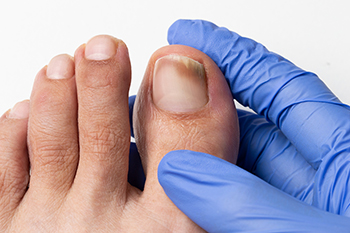
Toenail fungus manifests in several forms, each with distinct characteristics. Subungual onychomycosis is the most common type, occurring beneath the nail plate and leading to thickened, discolored, and brittle nails. White superficial onychomycosis affects the nail's surface, causing white, crumbly spots that can spread and cover the entire nail if untreated. Candida onychomycosis, caused by yeast, often targets nails already damaged or exposed to moisture. This type results in swelling, pain, and a yellow-brown discoloration. Proper diagnosis by a podiatrist is essential to determine the specific type of infection and appropriate treatment. Antifungal medications, whether topical or oral, are typically used to combat these infections, helping restore nail health and prevent further complications. If you have developed a toenail fungus, it is strongly suggested that you confer with a podiatrist who can effectively treat the type you have.
If left untreated, toenail fungus may spread to other toenails, skin, or even fingernails. If you suspect you have toenail fungus it is important to seek treatment right away. For more information about treatment, contact Milos Tomich, DPM of Dr. Tomich Foot & Ankle Health Center. Our doctor can provide the care you need to keep you pain-free and on your feet.
Symptoms
- Warped or oddly shaped nails
- Yellowish nails
- Loose/separated nail
- Buildup of bits and pieces of nail fragments under the nail
- Brittle, broken, thickened nail
Treatment
If self-care strategies and over-the-counter medications does not help your fungus, your podiatrist may give you a prescription drug instead. Even if you find relief from your toenail fungus symptoms, you may experience a repeat infection in the future.
Prevention
In order to prevent getting toenail fungus in the future, you should always make sure to wash your feet with soap and water. After washing, it is important to dry your feet thoroughly especially in between the toes. When trimming your toenails, be sure to trim straight across instead of in a rounded shape. It is crucial not to cover up discolored nails with nail polish because that will prevent your nail from being able to “breathe”.
In some cases, surgical procedure may be needed to remove the toenail fungus. Consult with your podiatrist about the best treatment options for your case of toenail fungus.
If you have any questions, please feel free to contact one of our offices located in Milwaukee and Wauwatosa, WI . We offer the newest diagnostic and treatment technologies for all your foot care needs.
Friday, 21 June 2024 00:00
Wounds That Don't Heal Need to Be Checked

Your feet are covered most of the day. If you're diabetic, periodic screening is important for good health. Numbness is often a sign of diabetic foot and can mask a sore or wound.
Tuesday, 18 June 2024 00:00
Effective Foot Care Tips for Seniors
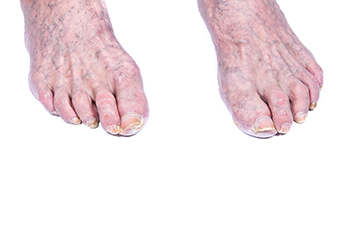
Maintaining good foot health is essential for seniors to ensure mobility and overall well-being. Regular foot care includes keeping feet clean and dry, which helps prevent infections. Moisturizing daily can prevent dry, cracked skin, while avoiding areas between the toes to reduce fungal growth. Wearing well-fitted, supportive shoes can prevent discomfort and reduce the risk of falls. It is also important to inspect feet regularly for any changes such as sores, redness, or swelling, and to address issues promptly. Trimming toenails straight across helps prevent ingrown nails, while gentle foot exercises can improve circulation and flexibility. Consulting a podiatrist for any persistent foot problems ensures appropriate treatment and care. If you have foot pain or are caring for an elderly person, it is suggested that you confer with this type of doctor who can effectively offer relief options, in addition to individualized foot care tips.
Proper foot care is something many older adults forget to consider. If you have any concerns about your feet and ankles, contact Milos Tomich, DPM from Dr. Tomich Foot & Ankle Health Center. Our doctor can provide the care you need to keep you pain-free and on your feet.
The Elderly and Their Feet
As we age we start to notice many changes in our body, but the elder population may not notice them right away. Medical conditions may prevent the elderly to take notice of their foot health right away. Poor vision is a lead contributor to not taking action for the elderly.
Common Conditions
- Neuropathy – can reduce feeling in the feet and can hide many life-threatening medical conditions.
- Reduced flexibility – prevents the ability of proper toenail trimming, and foot cleaning. If left untreated, it may lead to further medical issues.
- Foot sores – amongst the older population can be serious before they are discovered. Some of the problematic conditions they may face are:
- Gouging toenails affecting nearby toe
- Shoes that don’t fit properly
- Pressure sores
- Loss of circulation in legs & feet
- Edema & swelling of feet and ankles
Susceptible Infections
Diabetes and poor circulation can cause general loss of sensitivity over the years, turning a simple cut into a serious issue.
If you have any questions please feel free to contact one of our offices located in Milwaukee and Wauwatosa, WI . We offer the newest diagnostic and treatment technologies for all your foot and ankle needs.
Tuesday, 11 June 2024 00:00
Foot Blisters on Elderly Feet
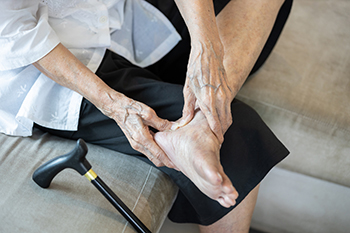 Blistering skin lesions on the feet of the elderly can be a common and concerning issue. These lesions, often filled with fluid, can result from various factors, including friction, pressure, and decreased skin integrity associated with aging. The skin of elderly individuals tends to become thinner, drier, and more fragile over time, making it more susceptible to damage and blister formation. Moreover, age-related conditions such as diabetes and reduced mobility add to the risk of blistering skin lesions. Diabetic neuropathy can lead to decreased sensation in the feet, making it harder for individuals to detect and address issues like friction and pressure points, which can eventually lead to blisters. If left untreated, blistering skin lesions can increase the risk of infection and other complications, particularly in elderly individuals with compromised immune systems. If you are elderly and experiencing such blisters, it is suggested that you schedule an appointment with a podiatrist for a proper diagnosis and treatment.
Blisters may appear as a single bubble or in a cluster. They can cause a lot of pain and may be filled with pus, blood, or watery serum. If your feet are hurting, contact Milos Tomich, DPM of Dr. Tomich Foot & Ankle Health Center. Our doctor can provide the care you need to keep you pain-free and on your feet.
Foot Blisters
Foot blisters are often the result of friction. This happens due to the constant rubbing from shoes, which can lead to pain.
What Are Foot Blisters?
A foot blister is a small fluid-filled pocket that forms on the upper-most layer of the skin. Blisters are filled with clear fluid and can lead to blood drainage or pus if the area becomes infected.
Symptoms
(Blister symptoms may vary depending on what is causing them)
- Bubble of skin filled with fluid
- Redness
- Moderate to severe pain
- Itching
Prevention & Treatment
In order to prevent blisters, you should be sure to wear comfortable shoes with socks that cushion your feet and absorb sweat. Breaking a blister open may increase your chances of developing an infection. However, if your blister breaks, you should wash the area with soap and water immediately and then apply a bandage to the affected area. If your blisters cause severe pain it is important that you call your podiatrist right away.
If you have any questions, please feel free to contact one of our offices located in Milwaukee and Wauwatosa, WI . We offer the newest diagnostic and treatment technologies for all your foot care needs.
Tuesday, 04 June 2024 00:00
Taking Care of Children’s Feet as They Grow
 Children's foot health is imperative as they grow, with different stages requiring specific care and attention. Babies have soft and pliable feet that gradually develop bone structure and muscle strength. During the toddler years, as children begin to walk, their feet undergo significant changes, necessitating support and wearing well-fitted shoes to aid proper development. Choosing the right shoes is vital. They should be flexible, have a wide toe box, and provide adequate arch support without being too tight. Common foot problems in children include flat feet, in-toeing, out-toeing, and excessive pronation, which can affect gait and posture. Early detection and intervention are key to preventing long-term issues. Regular foot inspections, proper hygiene, and encouraging barefoot play when safe can promote healthy foot development. If any abnormalities or persistent issues arise, visit a podiatrist for a thorough assessment and appropriate guidance on maintaining optimal foot health as children grow.
The health of a child’s feet is vital to their overall well-being. If you have any questions regarding foot health, contact Milos Tomich, DPM of Dr. Tomich Foot & Ankle Health Center. Our doctor can provide the care you need to keep you pain-free and on your feet.
Tips for Keeping Children's Feet Healthy
- Make sure their shoes fit properly
- Look for any signs of in-toeing or out-toeing
- Check to see if they have Clubfoot (condition that affects your child’s foot and ankle, twisting the heel and toes inward) which is one of the most common nonmajor birth defects.
- Lightly cover your baby’s feet (Tight covers may keep your baby from moving their feet freely, and could prevent normal development)
- Allow your toddler to go shoeless (Shoes can be restricting for a young child’s foot)
- Cut toenails straight across to avoid ingrown toenails
- Keep your child’s foot clean and dry
- Cover cuts and scrapes. Wash any scratches with soap and water and cover them with a bandage until they’ve healed.
If you have any questions, please feel free to contact one of our offices located in Milwaukee and Wauwatosa, WI . We offer the newest diagnostic and treatment technologies for all your foot care needs.