Blog

Different Shoes for Different Types of Running

People who enjoy running are generally aware of the importance of choosing the right running shoe. These types of shoes fall into different categories based on running style. Additionally, for heavier runners, it is helpful to select shoes that have added stability. Research has indicated that determining how often running is practiced can help you to choose the correct shoe style. If your style of running includes exposure to mountains or trails, it may be beneficial to choose shoes that have additional traction. It is suggested that you consult with a podiatrist who can help you to determine which type of running shoe is best for you.

If you are a runner, wearing the right running shoe is essential. For more information, contact Milos Tomich, DPM from Dr. Tomich Foot & Ankle Health Center. Our doctor can provide the care you need to keep you pain-free and on your feet.

Choosing the Right Running Shoe for Your Foot Type

To increase performance and avoid the risk of injury, it is important to choose the right running shoe based on your foot type. The general design of running shoes revolves around pronation, which is how the ankle rolls from outside to inside when the foot strikes the ground.

  • Neutral runners are able to choose from a wide variety of shoes, including minimalist shoes or even going barefoot.
  • Runners who overpronate, or experience an over-abundance of ankle rolling, should choose shoes that provide extra motion control and stability.
  • Runners who underpronate, or supinate, have feet that have high arches and lack flexibility, preventing shock absorption. They require shoes with more flexibility and cushion.

If you have any questions, please feel free to contact one of our offices located in Milwaukee and Wauwatosa, WI . We offer the newest diagnostic and treatment technologies for all your foot care needs.
Read more about Choosing the Right Running Shoe for Your Foot Type

Possible Ways to Prevent Gout

If you are experiencing severe pain and discomfort in your big toe, you may have a condition that is referred to as gout. Gout is considered to be a form of arthritis, and typically affects the joints in the big toe. It generally develops as a result of genetic factors, or from eating foods which can include shellfish, red meat, and drinks that are made with excess sugar. When these types of foods are often consumed, uric acid levels may rise in the bloodstream, and crystals can form in the joints. This can cause extreme pain, and in severe cases, it may be difficult to walk. Additional symptoms that are associated with gout can include redness, tenderness, and the affected area may feel warm. There are measures that can be implemented which may help to prevent painful gout attacks. These can consist of incorporating healthy eating habits into your daily routine, and drinking plenty of water. If you are afflicted with gout, it is strongly suggested that you consult with a podiatrist who can help you manage this condition.

Gout is a foot condition that requires certain treatment and care. If you are seeking treatment, contact Milos Tomich, DPM from Dr. Tomich Foot & Ankle Health Center. Our doctor will treat your foot and ankle needs.

What Is Gout?

Gout is a type of arthritis caused by a buildup of uric acid in the bloodstream. It often develops in the foot, especially the big toe area, although it can manifest in other parts of the body as well. Gout can make walking and standing very painful and is especially common in diabetics and the obese.

People typically get gout because of a poor diet. Genetic predisposition is also a factor. The children of parents who have had gout frequently have a chance of developing it themselves.

Gout can easily be identified by redness and inflammation of the big toe and the surrounding areas of the foot. Other symptoms include extreme fatigue, joint pain, and running high fevers. Sometimes corticosteroid drugs can be prescribed to treat gout, but the best way to combat this disease is to get more exercise and eat a better diet.

If you have any questions, please feel free to contact one of our offices located in Milwaukee and Wauwatosa, WI . We offer the newest diagnostic and treatment technologies for all your foot care needs.

Read more about Everything You Need to Know About Gout

Possible Methods That May Help To Prevent Falling

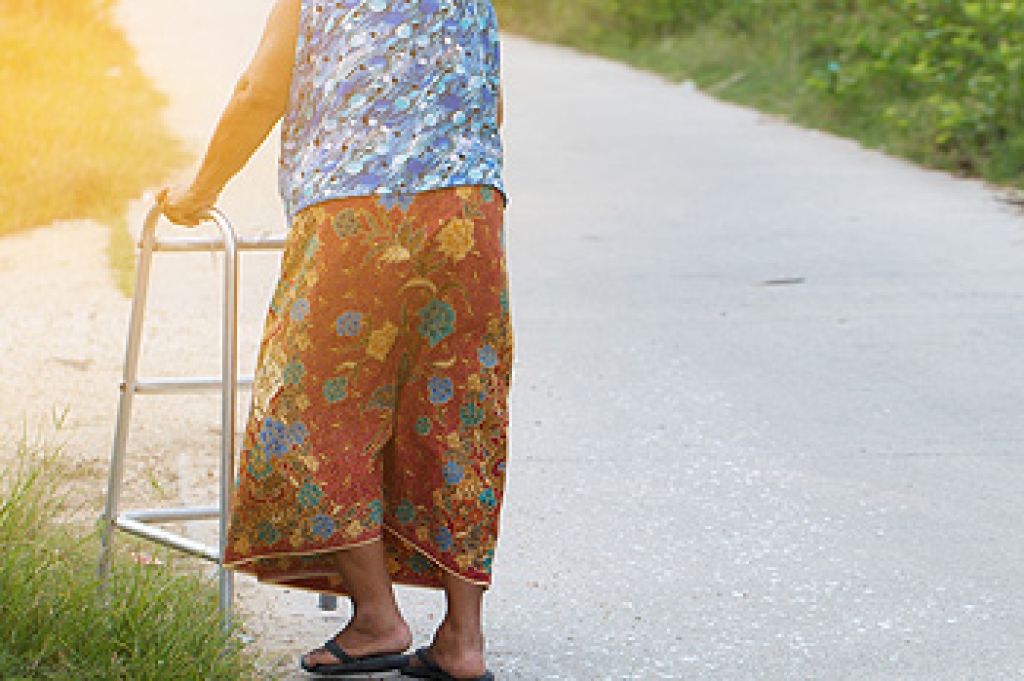
Elderly people may experience a certain amount of instability, which may lead to falling. This unnatural movement has the potential of causing serious health ailments. Many patients who have fallen have developed a fear of falling, and this may prevent them from being as active as they once were. This may possibly cause the body to lose strength and flexibility. There are methods that can be implemented which may help to reduce the risk of falling. These can consist of increasing the lighting in the household, installing grab bars in the toilet and shower areas, and removing any existing loose carpeting. Research has indicated it may be beneficial to have a routine physical examination, and this may be helpful in determining the effectiveness of current medications. If you would like additional information about how falling can affect the feet, it is suggested that you consult with a podiatrist. 

Preventing falls among the elderly is very important. If you are older and have fallen or fear that you are prone to falling, consult with Milos Tomich, DPM from Dr. Tomich Foot & Ankle Health Center. Our doctor will assess your condition and provide you with quality advice and care.

Every 11 seconds, an elderly American is being treated in an emergency room for a fall related injury. Falls are the leading cause of head and hip injuries for those 65 and older. Due to decreases in strength, balance, senses, and lack of awareness, elderly persons are very susceptible to falling. Thankfully, there are a number of things older persons can do to prevent falls.

How to Prevent Falls

Some effective methods that older persons can do to prevent falls include:

  • Enrolling in strength and balance exercise program to increase balance and strength
  • Periodically having your sight and hearing checked
  • Discuss any medications you have with a doctor to see if it increases the risk of falling
  • Clearing the house of falling hazards and installing devices like grab bars and railings
  • Utilizing a walker or cane
  • Wearing shoes that provide good support and cushioning
  • Talking to family members about falling and increasing awareness

Falling can be a traumatic and embarrassing experience for elderly persons; this can make them less willing to leave the house, and less willing to talk to someone about their fears of falling. Doing such things, however, will increase the likelihood of tripping or losing one’s balance. Knowing the causes of falling and how to prevent them is the best way to mitigate the risk of serious injury.  

If you have any questions, please feel free to contact one of our offices located in Milwaukee and Wauwatosa, WI . We offer the newest diagnostic and treatment technologies for all your foot care needs.

Read more about Falls Prevention

Pregnancy, High Heels, and Flip Flops

Recent studies that have been conducted in the United Kingdom indicate approximately half of pregnant women are influenced by society to keep up with the latest fashion trends. This consists of choosing to wear inappropriate shoes that include high heels and flip flops during the majority of their pregnancy. When these types of shoes are frequently worn, the risk of falling may increase. This may be a result of hormonal changes that occur within the body, causing the ligaments and muscles to stretch and become soft. Pregnant women may feel more secure when flip flops are avoided, and shoes with a lower heel are worn. It is beneficial to choose shoes that have the proper amount of cushioning, as this is often helpful in providing adequate support. If you would like additional information about how to choose the correct shoes to be worn during pregnancy, please consult with a podiatrist.

Pregnant women with swollen feet can be treated with a variety of different methods that are readily available. For more information about other cures for swollen feet during pregnancy, consult with Milos Tomich, DPM from Dr. Tomich Foot & Ankle Health Center. Our doctor will attend to all of your foot and ankle needs.

What Foot Problems Can Arise During Pregnancy?

One problem that can occur is overpronation, which occurs when the arch of the foot flattens and tends to roll inward.  This can cause pain and discomfort in your heels while you’re walking or even just standing up, trying to support your baby.  

Another problem is edema, or swelling in the extremities. This often affects the feet during pregnancy but tends to occur in the later stages. 

How Can I Keep My Feet Healthy During Pregnancy?

  • Wearing orthotics can provide extra support for the feet and help distribute weight evenly
  • Minimize the amount of time spent walking barefoot
  • Wear shoes with good arch support
  • Wear shoes that allow for good circulation to the feet
  • Elevate feet if you experience swelling
  • Massage your feet
  • Get regular, light exercise, such as walking, to promote blood circulation to the feet

If you have any questions, please feel free to contact one of our offices located in Milwaukee and Wauwatosa, WI . We offer the newest diagnostic and treatment technologies for all your foot care needs.

Read more about Pregnancy and Foot Health
Connect with us