Blog

When Your Child’s Feet Turn Inward

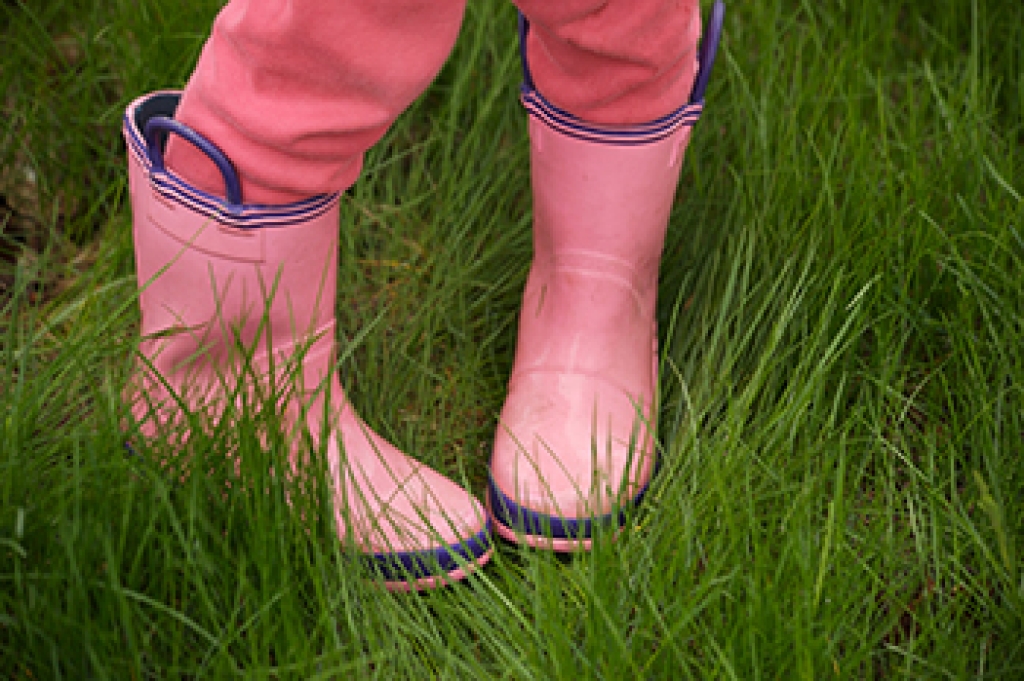
When a child’s feet turn inward while walking, this is called in-toeing. It often happens because the bones in the leg are slightly rotated, causing the toes to point inward instead of straight ahead. This is common in toddlers and young children, and is often part of normal growth. Some children may trip more often, while others have no pain or trouble staying active. In-toeing can come from the shin bone, called the tibia, or the thigh bone, called the femur, turning inward. A podiatrist can examine how your child walks, check foot and leg alignment, and determine if the condition is likely to improve with growth or if further care is needed. In rare cases, imaging or surgery may be discussed if the problem is severe. If your child is in-toeing, it is suggested that you schedule an appointment with a podiatrist for a diagnosis, appropriate treatment, and effective management of this condition.

The health of a child’s feet is vital to their overall well-being. If you have any questions regarding foot health, contact Milos Tomich, DPM of Dr. Tomich Foot & Ankle Health Center. Our doctor can provide the care you need to keep you pain-free and on your feet.

Tips for Keeping Children's Feet Healthy

  • Make sure their shoes fit properly
  • Look for any signs of in-toeing or out-toeing
  • Check to see if they have Clubfoot (condition that affects your child’s foot and ankle, twisting the heel and toes inward) which is one of the most common nonmajor birth defects.
  • Lightly cover your baby’s feet (Tight covers may keep your baby from moving their feet freely, and could prevent normal development)
  • Allow your toddler to go shoeless (Shoes can be restricting for a young child’s foot)
  • Cut toenails straight across to avoid ingrown toenails
  • Keep your child’s foot clean and dry
  • Cover cuts and scrapes. Wash any scratches with soap and water and cover them with a bandage until they’ve healed.

If you have any questions, please feel free to contact one of our offices located in Milwaukee and Wauwatosa, WI . We offer the newest diagnostic and treatment technologies for all your foot care needs.
Read more about How to Care for Your Child's Feet

Signs and Risk Factors of Smoker’s Feet

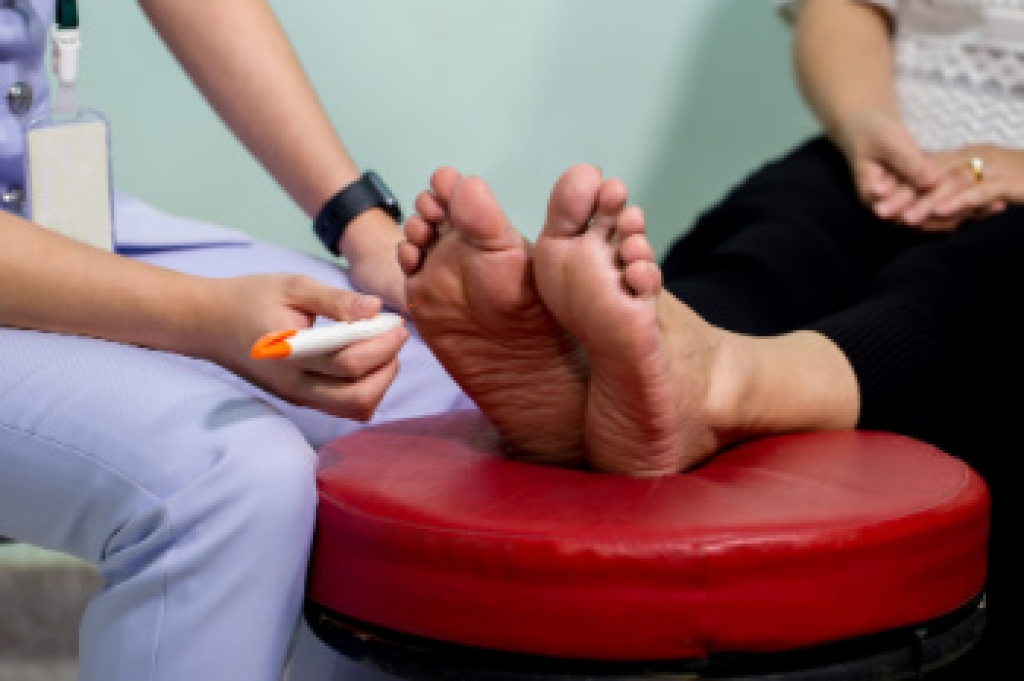
Smoker’s feet is a term used to describe foot problems linked to reduced blood flow caused by smoking. Nicotine narrows blood vessels, which limits circulation to the feet and toes. Signs include coldness, color changes, slow-growing nails, and a tingling or numb feeling. People may notice pain when walking or sores that heal slowly. As blood supply worsens, there is a higher risk of infection, nerve damage, and tissue breakdown. In severe cases, parts of the skin may not receive enough oxygen, leading to serious complications. Smoking can weaken bones, which may increase the risk of fractures and delay healing. A podiatrist can assess circulation, check nerve function, and look for skin changes. Imaging and vascular testing may be used to evaluate blood flow and guide care. If you have symptoms of smoker's feet, it is suggested that you schedule an appointment with a podiatrist for a diagnosis and appropriate treatment.

While poor circulation itself isn’t a condition; it is a symptom of another underlying health condition you may have. If you have any concerns with poor circulation in your feet contact Milos Tomich, DPM of Dr. Tomich Foot & Ankle Health Center. Our doctor will treat your foot and ankle needs.

Poor Circulation in the Feet

Peripheral artery disease (PAD) can potentially lead to poor circulation in the lower extremities. PAD is a condition that causes the blood vessels and arteries to narrow. In a linked condition called atherosclerosis, the arteries stiffen up due to a buildup of plaque in the arteries and blood vessels. These two conditions can cause a decrease in the amount of blood that flows to your extremities, therefore resulting in pain.

Symptoms

Some of the most common symptoms of poor circulation are:

  • Numbness
  • Tingling
  • Throbbing or stinging pain in limbs
  • Pain
  • Muscle Cramps

Treatment for poor circulation often depends on the underlying condition that causes it. Methods for treatment may include insulin for diabetes, special exercise programs, surgery for varicose veins, or compression socks for swollen legs.

As always, see a podiatrist as he or she will assist in finding a regimen that suits you. A podiatrist can also prescribe you any needed medication. 

If you have any questions, please feel free to contact one of our offices located in Milwaukee and Wauwatosa, WI . We offer the newest diagnostic and treatment technologies for all your foot care needs.
Read more about Causes Symptoms and Treatment for Poor Circulation in the Feet

It's Time for Beautiful Feet

You don't need an excuse to have beautiful nails. Step outside without worrying about the appearance of your feet.

Definition of a Heel Spur

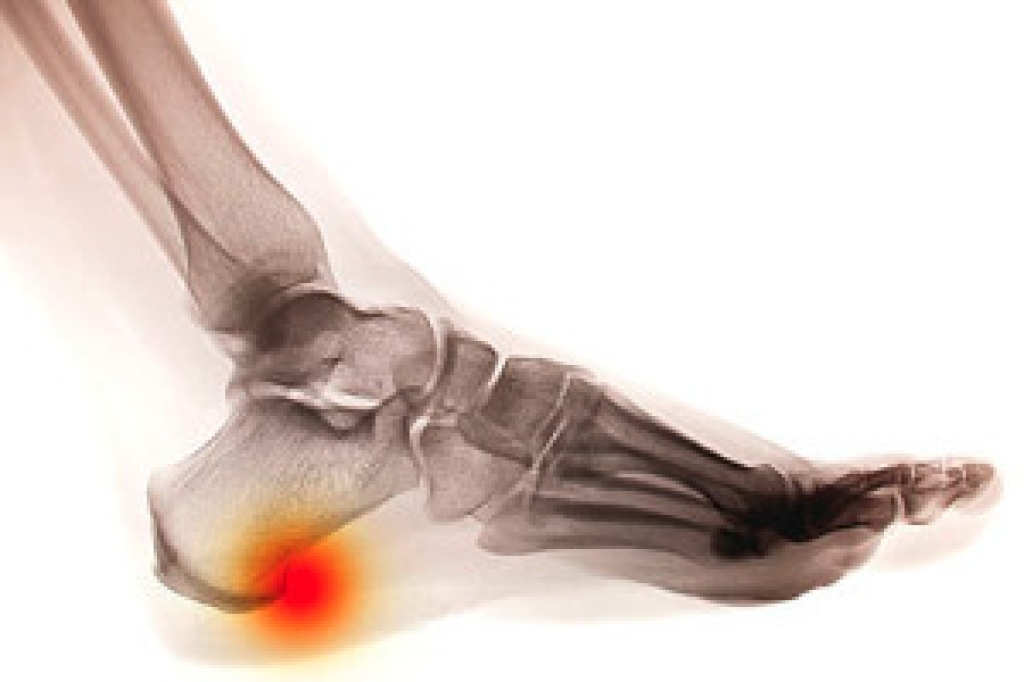
Heel spurs are bony growths that develop on the heel bone due to ongoing inflammation where the foot’s tendons connect to the heel. They are commonly located at the back of the heel or underneath it, and are often associated with conditions like arthritis or plantar fasciitis. Symptoms include sharp heel pain, tenderness, and discomfort while walking or standing. Risk factors include repetitive strain, improper footwear, excess weight, and prolonged standing. A podiatrist can diagnose heel spurs through examination and imaging, recommend supportive footwear, prescribe orthotics, and provide treatment to reduce inflammation and pain while improving function. If you have persistent heel pain, it is suggested that you consult a podiatrist who can accurately diagnose and treat heel spurs.

Heel spurs can be incredibly painful and sometimes may make you unable to participate in physical activities. To get medical care for your heel spurs, contact Milos Tomich, DPM from Dr. Tomich Foot & Ankle Health Center. Our doctor will do everything possible to treat your condition.

Heels Spurs

Heel spurs are formed by calcium deposits on the back of the foot where the heel is. This can also be caused by small fragments of bone breaking off one section of the foot, attaching onto the back of the foot. Heel spurs can also be bone growth on the back of the foot and may grow in the direction of the arch of the foot.

Older individuals usually suffer from heel spurs and pain sometimes intensifies with age. One of the main condition's spurs are related to is plantar fasciitis.

Pain

The pain associated with spurs is often because of weight placed on the feet. When someone is walking, their entire weight is concentrated on the feet. Bone spurs then have the tendency to affect other bones and tissues around the foot. As the pain continues, the feet will become tender and sensitive over time.

Treatments

There are many ways to treat heel spurs. If one is suffering from heel spurs in conjunction with pain, there are several methods for healing. Medication, surgery, and herbal care are some options.

If you have any questions, please feel free to contact one of our offices located in Milwaukee and Wauwatosa, WI . We offer the newest diagnostic and treatment technologies for all your foot care needs.
Read more about How to Treat Heel Spurs

Understanding Plantar Fasciitis

Plantar fasciitis is one of the most frequent causes of heel discomfort and develops when the strong band of tissue along the bottom of the foot becomes irritated or overstressed. This tissue, called the plantar fascia, supports the arch and helps absorb the force created during walking and standing. When the fascia becomes strained, tiny tears can develop that lead to inflammation and heel pain. Many people first notice discomfort when stepping out of bed in the morning or after sitting for a long period. The pain may feel sharp at the heel and sometimes spreads across the bottom of the foot. Causes include overuse, tight calf muscles, flat feet, high arches, or shoes that lack proper support. A podiatrist can evaluate the foot structure, identify the source of the irritation, and guide treatment. Care may include supportive footwear, custom orthotics, anti-inflammatory care, and targeted exercises to ease tension. If you have plantar fasciitis, it is suggested that you make an appointment with a podiatrist.

Plantar fasciitis is a common foot condition that is often caused by a strain injury. If you are experiencing heel pain or symptoms of plantar fasciitis, contact Milos Tomich, DPM from Dr. Tomich Foot & Ankle Health Center. Our doctor can provide the care you need to keep you pain-free and on your feet.

What Is Plantar Fasciitis?

Plantar fasciitis is one of the most common causes of heel pain. The plantar fascia is a ligament that connects your heel to the front of your foot. When this ligament becomes inflamed, plantar fasciitis is the result. If you have plantar fasciitis you will have a stabbing pain that usually occurs with your first steps in the morning. As the day progresses and you walk around more, this pain will start to disappear, but it will return after long periods of standing or sitting.

What Causes Plantar Fasciitis?

  • Excessive running
  • Having high arches in your feet
  • Other foot issues such as flat feet
  • Pregnancy (due to the sudden weight gain)
  • Being on your feet very often

There are some risk factors that may make you more likely to develop plantar fasciitis compared to others. The condition most commonly affects adults between the ages of 40 and 60. It also tends to affect people who are obese because the extra pounds result in extra stress being placed on the plantar fascia.

Prevention

  • Take good care of your feet – Wear shoes that have good arch support and heel cushioning.
  • Maintain a healthy weight
  • If you are a runner, alternate running with other sports that won’t cause heel pain

There are a variety of treatment options available for plantar fasciitis along with the pain that accompanies it. Additionally, physical therapy is a very important component in the treatment process. It is important that you meet with your podiatrist to determine which treatment option is best for you.

If you have any questions, please feel free to contact one of our offices located in Milwaukee and Wauwatosa, WI . We offer the newest diagnostic and treatment technologies for all your foot care needs.


Read more about Plantar Fasciitis
Connect with us