
Blog

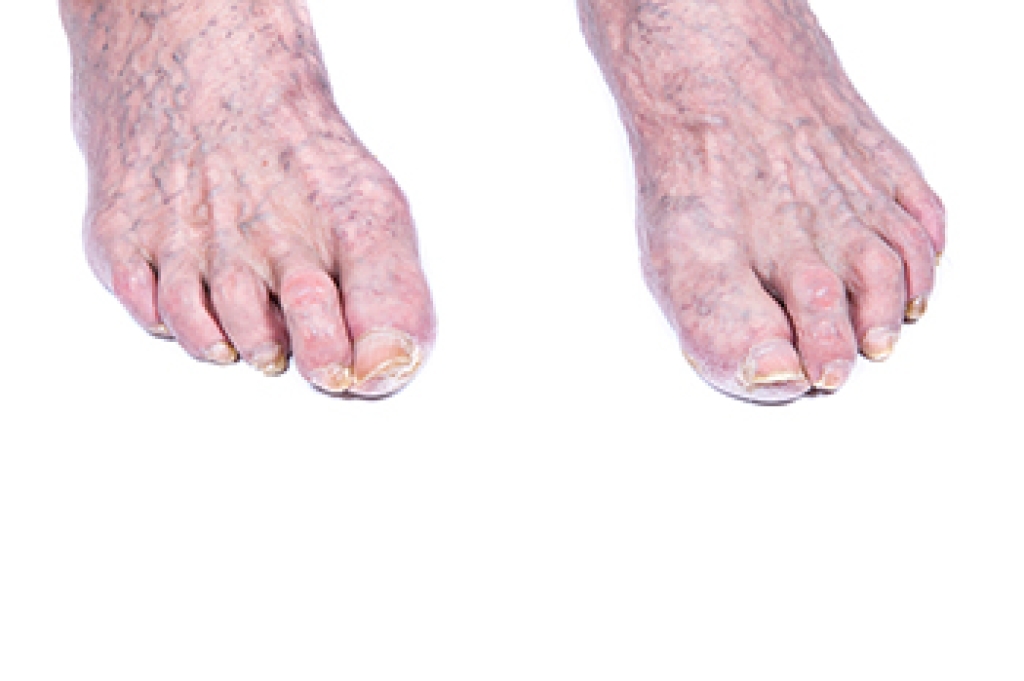
The Importance of Foot Care for Aging Feet

Proper foot care becomes increasingly important with age. It can help older adults stay active, comfortable, and independent. Regular attention to foot health can prevent problems like corns, bunions, thickened toenails, and other painful conditions that may make walking difficult. Healthy feet also contribute to better balance and stability, which can help reduce the risk of falls and serious injuries. Addressing foot pain and other concerns early can improve mobility and allow seniors to participate more comfortably in daily activities. Age-related changes, chronic health conditions, and reduced flexibility can make it harder for older adults to care for their feet. This increases the need for professional evaluation and treatment. A podiatrist can provide routine foot exams, treat painful skin and nail conditions, and monitor circulation and nerve health. This foot doctor can recommend proper footwear to support safe movement. They can also help manage foot problems related to arthritis, diabetes, and other medical conditions. If you are experiencing foot discomfort or have mobility issues, it is suggested that you schedule an appointment with a podiatrist for an evaluation.

Proper foot care is something many older adults forget to consider. If you have any concerns about your feet and ankles, contact Milos Tomich, DPM from Dr. Tomich Foot & Ankle Health Center. Our doctor can provide the care you need to keep you pain-free and on your feet.

The Elderly and Their Feet

As we age we start to notice many changes in our body, but the elder population may not notice them right away. Medical conditions may prevent the elderly to take notice of their foot health right away. Poor vision is a lead contributor to not taking action for the elderly.

Common Conditions 

  • Neuropathy – can reduce feeling in the feet and can hide many life-threatening medical conditions.
  • Reduced flexibility – prevents the ability of proper toenail trimming, and foot cleaning. If left untreated, it may lead to further medical issues.
  • Foot sores – amongst the older population can be serious before they are discovered. Some of the problematic conditions they may face are:
  • Gouging toenails affecting nearby toe
  • Shoes that don’t fit properly
  • Pressure sores
  • Loss of circulation in legs & feet
  • Edema & swelling of feet and ankles

Susceptible Infections

Diabetes and poor circulation can cause general loss of sensitivity over the years, turning a simple cut into a serious issue.

If you have any questions, please feel free to contact one of our offices located in Milwaukee and Wauwatosa, WI . We offer the newest diagnostic and treatment technologies for all your foot care needs.

Read more about Elderly and their Feet

Can Cracked Heels Be Caused by a Vitamin Deficiency?

Research has indicated that one of the essential vitamins to take for healthy skin is B3. A skin condition that is known as pellagra can be a result of a B3 deficiency, and the skin on the heels can become affected. Symptoms of this foot condition can include dry, cracked skin that may cause severe pain and discomfort. Additional reasons why cracked heels can develop can consist of existing eczema, psoriasis, or from standing on hard surfaces for the majority of the day. Patients have found mild relief when their daily water intake is increased, and a good moisturizer is frequently applied. If you would like more information on cracked heels, and possible treatment options, please confer with a podiatrist.

Cracked heels are unsightly and can cause further damage to your shoes and feet. If you have any concerns, contact Milos Tomich, DPM from Dr. Tomich Foot & Ankle Health Center. Our doctor can provide the care you need to keep you pain-free and on your feet.

Cracked Heels

Cracked heels appear unappealing and can make it harder for you walk around in sandals. Aside from looking unpleasant, cracked heels can also tear stockings, socks, and wear out your shoes. There are several methods to help restore a cracked heel and prevent further damage.

How Do You Get Them?

Dry skin is the number one culprit in creating cracked heels. Many athletes, walkers, joggers, and even swimmers suffer from cracked heels. Age and skin oil production play a role to getting cracked heels as well.

Promote Healing

Over the counter medicines can help, especially for those that need instant relief or who suffer from chronic dry feet.

Wear Socks – Wearing socks with medicated creams helps lock in moisture.

Moisturizers – Applying both day and night will help alleviate dryness which causes cracking.

Pumice Stones – These exfoliate and remove dead skin, which allows for smoother moisturizer application and better absorption into the skin. 

Change in Diet

Eating healthy with a well-balanced diet will give the skin a fresh and radiant look. Your body responds to the kinds of food you ingest. Omega-3 fatty acids and zinc supplements can also revitalize skin tissue.

Most importantly, seek professional help if unsure how to proceed in treating cracked heels. A podiatrist will help you with any questions or information needed. 

If you have any questions, please feel free to contact one of our offices located in Milwaukee and Wauwatosa, WI . We offer the newest diagnostic and treatment technologies for all your foot care needs.

Read more about Solutions for Cracked Heels

Wounds That Don't Heal Need to Be Checked

Your feet are covered most of the day. If you're diabetic, periodic screening is important for good health. Numbness is often a sign of diabetic foot and can mask a sore or wound.

Rehab Exercises After Spraining an Ankle

Rehab exercises after an ankle sprain can help restore strength, balance, and flexibility in the injured joint. After swelling and pain begin to decrease, gentle movements can help the ankle regain normal motion. Common exercises include ankle circles, calf stretches, and writing the alphabet in the air with the toes. As healing continues, strength-building exercises help support the ankle and lower the risk of another injury. These exercises include heel raises, towel curls, and resistance-band movements. Balance exercises are also important because ankle sprains can affect stability while walking. Standing on one foot and controlled step-ups can improve coordination and help prevent future falls or twists. A podiatrist can examine the ankle to check for ligament damage, weakness, or joint instability. Treatment includes bracing, custom orthotics, and a rehab exercise plan designed for a gradual return to activity. If you have sprained your ankle, it is suggested that you schedule an appointment with a podiatrist for appropriate treatment.

Ankle sprains are common but need immediate attention. If you need your feet checked, contact Milos Tomich, DPM from Dr. Tomich Foot & Ankle Health Center. Our doctor can provide the care you need to keep you pain-free and on your feet.

How Does an Ankle Sprain Occur?

Ankle sprains take place when the ligaments in your ankle are torn or stretched beyond their limits. There are multiple ways that the ankle can become injured, including twisting or rolling over onto your ankle, putting undue stress on it, or causing trauma to the ankle itself.

What Are the Symptoms?

  • Mild to moderate bruising
  • Limited mobility
  • Swelling
  • Discoloration of the skin (depending on severity)

Preventing a Sprain

  • Wearing appropriate shoes for the occasion
  • Stretching before exercises and sports
  • Knowing your limits

Treatment of a Sprain

Treatment of a sprain depends on the severity.  Many times, people are told to rest and remain off their feet completely, while others are given an air cast. If the sprain is very severe, surgery may be required.

If you have suffered an ankle sprain previously, you may want to consider additional support such as a brace and regular exercises to strengthen the ankle.

If you have any questions please feel free to contact one of our offices located in Milwaukee and Wauwatosa, WI . We offer the newest diagnostic tools and technology to treat your foot and ankle needs.

Read more about Ankle Sprains

When Foot and Ankle Swelling Leaves Dents

Pitting edema is a type of swelling in the ankles or feet where pressing on the skin leaves a temporary indentation. This happens when extra fluid collects in the tissues. It may be linked to circulation problems, vein conditions, heart or kidney concerns, certain medications, or other medical issues. Some people notice tight shoes or swelling that worsens as the day goes on. Diagnosis starts with a physical examination, where a provider checks the amount of swelling and how long the indentation remains after pressure is applied. A podiatrist may also review medical history, symptoms, circulation, and skin changes, and may recommend additional testing when needed to help identify the cause. Because swelling can signal an underlying health concern, proper evaluation matters. If you have ongoing swelling in your feet or ankles, especially with discomfort or skin changes, it is strongly suggested that you visit a podiatrist for appropriate treatment solutions.

Swollen feet can be a sign of an underlying condition. If you have any concerns, contact Milos Tomich, DPM of Dr. Tomich Foot & Ankle Health Center. Our doctor can provide the care you need to keep you pain-free and on your feet.

Swollen feet are a common ailment among pregnant women and people who stand or sit for extended periods. Aging may increase the possibility of swollen feet and patients who are obese often notice when their feet are swelling too. There may be medical reasons why swollen feet occur:

  • Phlebitis - A condition that causes the veins to become inflamed and can also cause leg pain.
  • Liver disease - This may lead to low blood levels of albumin which is a protein. This can cause fluid in the blood to pass into the tissues and several areas of the body can become swollen.
  • Heart failure - When the heart doesn’t pump properly the blood that is normally pumped back to the heart can pool in the veins of the legs causing swollen feet.
  • Kidney disease - One of the main functions of the kidneys is releasing excess fluid in the body. This type of condition can make it difficult for the kidneys to function properly, and as a result the feet may become swollen.
  • Deep-vein thrombosis (DVT)- This is a serious condition where blood clots form in the veins of the legs. They can block the return of blood from the legs to the heart which may cause the feet to swell. It is important to be treated by a podiatrist if this condition is present.

Swollen feet can also be caused by bone and tendon conditions, including fractures, arthritis, and tendinitis. Additionally, there may be skin and toenail conditions and an infection may cause the feet to swell. Patients who take medicine to treat high blood pressure may be prone to getting swollen feet. 

Many patients elevate their feet to help relieve the swelling and this is generally a temporary remedy. When a podiatrist is consulted the reason behind the swelling can be uncovered and subsequently treated.

If you have any questions please contact one of our offices located in Milwaukee and Wauwatosa, WI . We offer the newest diagnostic and treatment technologies for all your foot and ankle needs.

Read more about Swelling of the Feet
Connect with us