
Blog

Dealing With Corns and Callouses

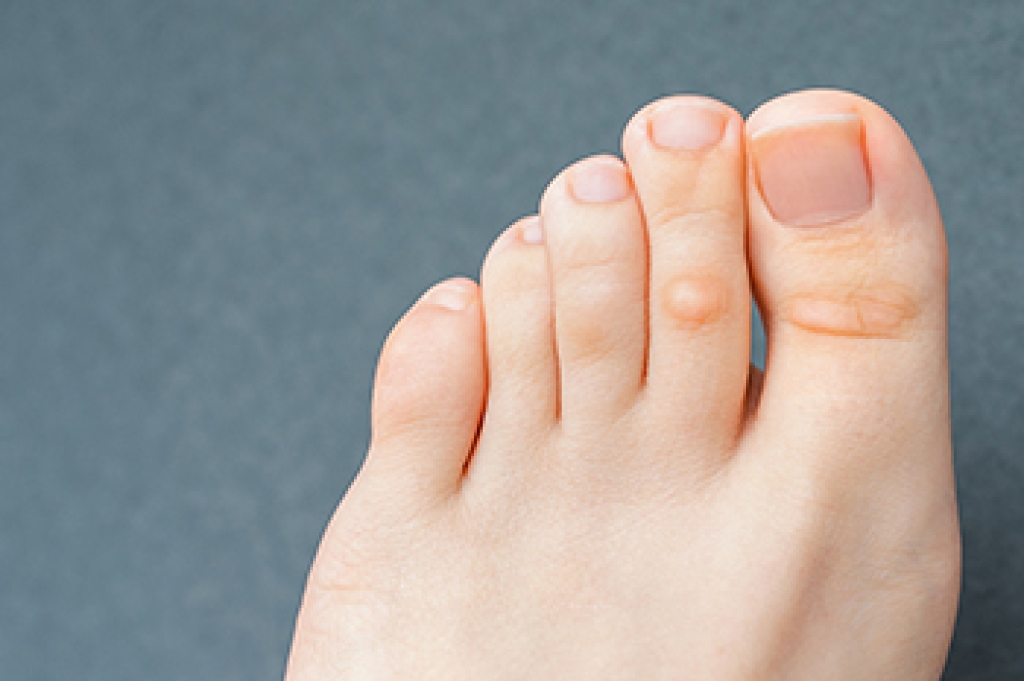
Corns and callouses on the feet develop when repeated pressure or friction causes the skin to thicken as a form of protection. They are commonly caused by tight shoes, foot structure issues, abnormal walking patterns, or activities that place stress on certain areas. Symptoms may include rough, hardened skin, tenderness, and localized pain that worsens with pressure. Corns often look small and raised with a hard central core, while callouses appear broader and flatter. They can feel sore or sensitive, especially when walking or wearing shoes. A podiatrist can help by starting with a detailed evaluation of foot structure, gait, and footwear to identify the source of pressure. Treatment may begin with safe removal of thickened skin and protective padding, followed by custom orthotics, shoe recommendations, and targeted exercises to reduce pressure and prevent recurrence. Ongoing care helps improve comfort and skin health. If you have painful corns or callouses on your feet, it is suggested that you make an appointment with a podiatrist.

Corns can make walking very painful and should be treated immediately. If you have questions regarding your feet and ankles, contact Milos Tomich, DPM of Dr. Tomich Foot & Ankle Health Center. Our doctor will treat your foot and ankle needs.

Corns: What Are They? And How Do You Get Rid of Them?
Corns are thickened areas on the skin that can become painful. They are caused by excessive pressure and friction on the skin. Corns press into the deeper layers of the skin and are usually round in shape.

Ways to Prevent Corns
There are many ways to get rid of painful corns such as:

  • Wearing properly fitting shoes that have been measured by a professional
  • Wearing shoes that are not sharply pointed or have high heels
  • Wearing only shoes that offer support

Treating Corns

Although most corns slowly disappear when the friction or pressure stops, this isn’t always the case. Consult with your podiatrist to determine the best treatment option for your case of corns.

If you have any questions, please feel free to contact one of our offices located in Milwaukee and Wauwatosa, WI . We offer the newest diagnostic and treatment technologies for all your foot care needs.
Read more about Understanding Corns and Calluses

Clubfoot Causes and Care

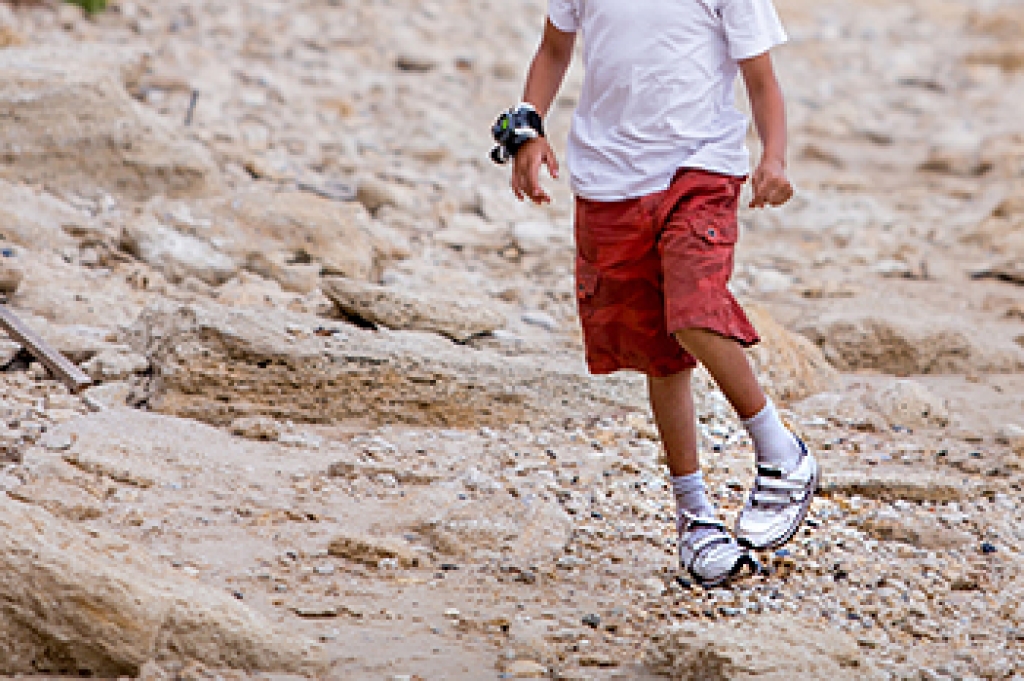
Clubfoot is a common birth defect in which a baby is born with one or both feet turned inward and downward due to abnormal development of muscles, ligaments, and bones. The exact causes are not always known, but may include genetic factors and differences in fetal development during pregnancy. The Ponseti treatment method is the most widely used approach for care and involves gentle stretching, casting, and bracing to gradually correct foot position and function. A podiatrist plays an important role in monitoring foot development, guiding treatment, and supporting long-term mobility and comfort. Early care leads to the best outcomes. If your child has been born with clubfoot, it is strongly suggested that you have a podiatrist on your healthcare team who can provide effective treatment and compassionate guidance.

Congenital foot problems require immediate attention to avoid future complications. If you have any concerns, contact Milos Tomich, DPM of Dr. Tomich Foot & Ankle Health Center. Our doctor can provide the care you need to keep you pain-free and on your feet.

Congenital foot problems are deformities affecting the feet, toes, and/or ankles that children are born with. Some of these conditions have a genetic cause while others just happen. Some specific foot ailments that children may be born with include clubfeet, polydactyly/macrodactyly, and cleft foot. There are several other foot anomalies that can occur congenitally. What all of these conditions have in common is that a child may experience difficulty walking or performing everyday activities, as well as trouble finding footwear that fits their foot deformity. Some of these conditions are more serious than others. Consulting with a podiatrist as early as possible will help in properly diagnosing a child’s foot condition while getting the necessary treatment underway.

What are Causes of Congenital Foot Problem?

A congenital foot problem is one that happens to a child at birth. These conditions can be caused by a genetic predisposition, developmental or positional abnormalities during gestation, or with no known cause.

What are Symptoms of Congenital Foot Problems?

Symptoms vary by the congenital condition. Symptoms may consist of the following:

  • Clubfoot, where tendons are shortened, bones are shaped differently, and the Achilles tendon is tight, causing the foot to point in and down. It is also possible for the soles of the feet to face each other.
  • Polydactyly, which usually consists of a nubbin or small lump of tissue without a bone, a toe that is partially formed but has no joints, or an extra toe.
  • Vertical talus, where the talus bone forms in the wrong position causing other bones in the foot to line up improperly, the front of the foot to point up, and the bottom of the foot to stiffen, with no arch, and to curve out.
  • Tarsal coalition, when there is an abnormal connection of two or more bones in the foot leading to severe, rigid flatfoot.
  • Cleft foot, where there are missing toes, a V-shaped cleft, and other anatomical differences.
  • Macrodactyly, when the toes are abnormally large due to overgrowth of the underlying bone or soft tissue.

Treatment and Prevention

While there is nothing one can do to prevent congenital foot problems, raising awareness and receiving neonatal screenings are important. Early detection by taking your child to a podiatrist leads to the best outcome possible.

If you have any questions, please feel free to contact one of our offices located in Milwaukee and Wauwatosa, WI . We offer the newest diagnostic and treatment technologies for all your foot care needs.
Read more about Congenital Foot Problems

Reminder: When Was the Last Time...?

Custom orthotics, or shoe inserts, should be periodically replaced. Orthotics must fit properly to give you the best results. Protect your feet and ankles!

Foot Wounds and Why They Matter

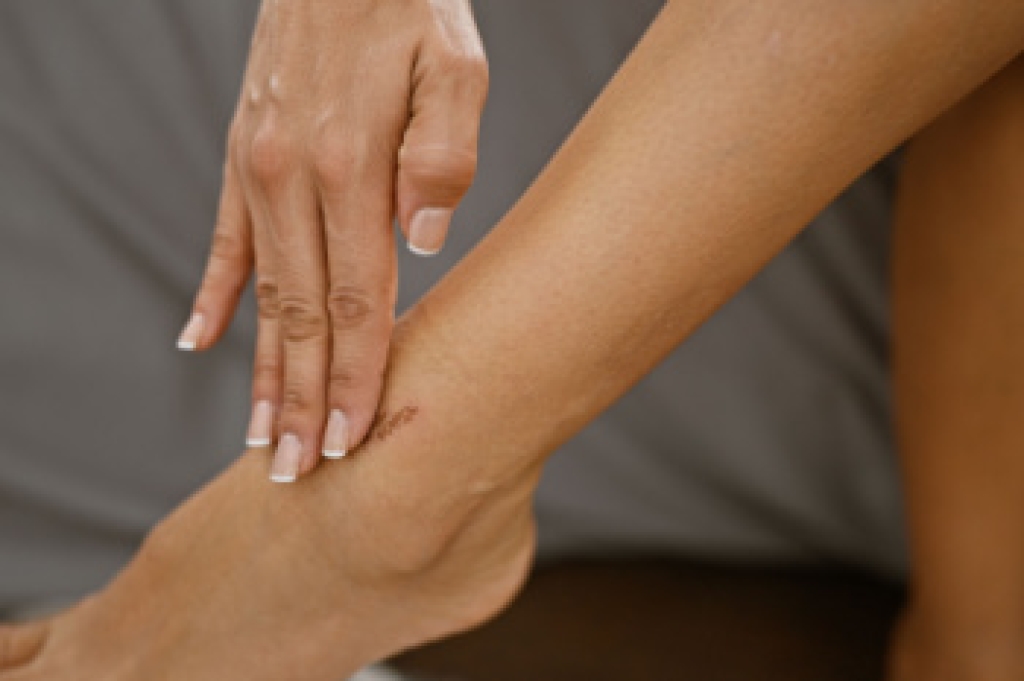
Foot wounds can develop on the surface of the skin or beneath it and they range from minor injuries to serious medical concerns. External wounds affect the outer skin while internal wounds involve deeper tissues, such as muscles, tendons, or bone. Open wounds include cuts, abrasions, punctures, lacerations, and surgical wounds where the skin is broken. Closed wounds, such as bruises or hematomas, cause damage beneath intact skin. Because the feet carry body weight and have limited blood flow in some people healing can be slow. A podiatrist can identify the wound type, check for infection, and guide proper care. Early evaluation helps prevent complications and supports healthy healing and mobility. Prompt treatment is especially important for people with diabetes, circulation problems, or nerve changes that reduce feeling in the feet and balance. If you have any type of foot wound, it is suggested that you see a podiatrist for care.

Wound care is an important part in dealing with diabetes. If you have diabetes and a foot wound or would like more information about wound care for diabetics, consult with Milos Tomich, DPM from Dr. Tomich Foot & Ankle Health Center. Our doctor will assess your condition and provide you with quality foot and ankle treatment.

What Is Wound Care?

Wound care is the practice of taking proper care of a wound. This can range from the smallest to the largest of wounds. While everyone can benefit from proper wound care, it is much more important for diabetics. Diabetics often suffer from poor blood circulation which causes wounds to heal much slower than they would in a non-diabetic. 

What Is the Importance of Wound Care?

While it may not seem apparent with small ulcers on the foot, for diabetics, any size ulcer can become infected. Diabetics often also suffer from neuropathy, or nerve loss. This means they might not even feel when they have an ulcer on their foot. If the wound becomes severely infected, amputation may be necessary. Therefore, it is of the upmost importance to properly care for any and all foot wounds.

How to Care for Wounds

The best way to care for foot wounds is to prevent them. For diabetics, this means daily inspections of the feet for any signs of abnormalities or ulcers. It is also recommended to see a podiatrist several times a year for a foot inspection. If you do have an ulcer, run the wound under water to clear dirt from the wound; then apply antibiotic ointment to the wound and cover with a bandage. Bandages should be changed daily and keeping pressure off the wound is smart. It is advised to see a podiatrist, who can keep an eye on it.

If you have any questions please contact one of our offices located in Milwaukee and Wauwatosa, WI . We offer the newest diagnostic and treatment technologies for all your foot and ankle needs.

Read more about Wound Care

Injuries to the Outer Ligaments of the Ankle

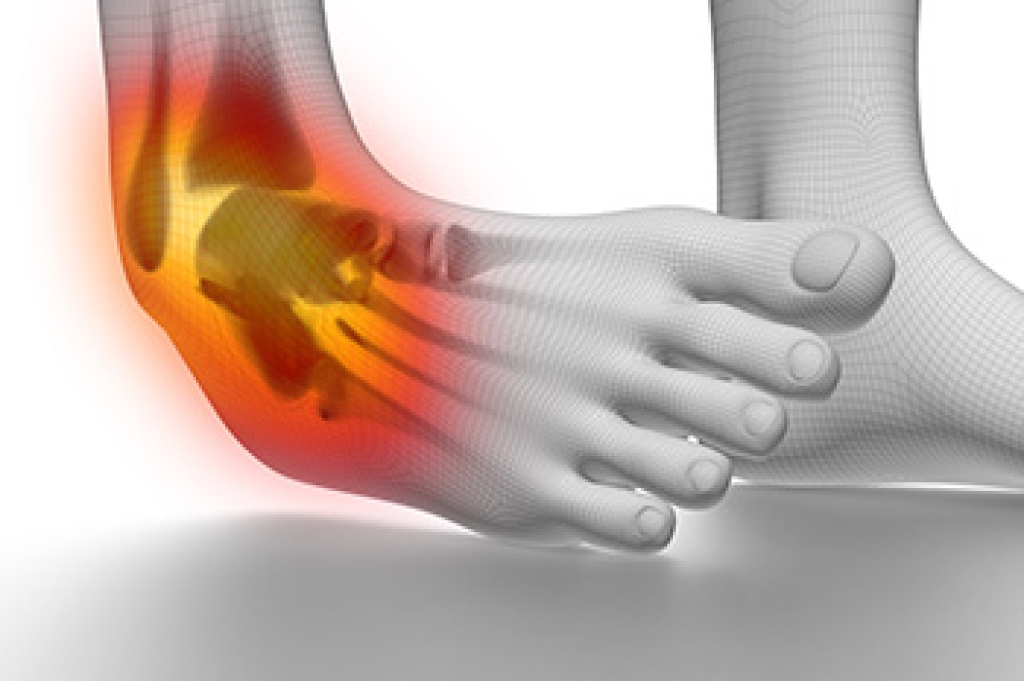
A lateral ankle sprain occurs when the ligaments on the outside of the ankle are stretched or torn after the foot rolls inward unexpectedly. This often happens during sports, quick changes in direction, or simple missteps on uneven ground. The most commonly affected tissue is the ligament at the front of the outer ankle, which is more vulnerable to sudden twisting. Symptoms include swelling, bruising, soreness when touching the outer ankle, and difficulty putting weight on the foot. Some people feel unsteady or notice that the ankle wants to give way. Early care focuses on reducing swelling and protecting the joint while it begins to heal. As pain improves, targeted movement and strengthening help restore stability. A podiatrist can determine the extent of the injury and outline the safest recovery plan. If your ankle remains painful or unstable, it is suggested that you see a podiatrist for relief and treatment solutions.

Although ankle sprains are common, they aren’t always minor injuries. If you need your ankle injury looked at, contact Milos Tomich, DPM from Dr. Tomich Foot & Ankle Health Center. Our doctor can provide the care you need to keep you pain-free and on your feet.

How Does an Ankle Sprain Occur?

Ankle sprains are the result of a tear in the ligaments within the ankle. These injuries may happen when you make a rapid shifting movement while your foot is planted. A less common way to sprain your ankle is when your ankle rolls inward while your foot turns outward.

What Are the Symptoms?

  • Pain at the sight of the tear
  • Bruising/Swelling
  • Ankle area is tender to touch
  • In severe cases, may hear/feel something tear
  • Skin discoloration

Preventing a Sprain

  • Wearing appropriate shoes for the occasion
  • Stretching before exercises and sports
  • Knowing your limits

Treatment of a Sprain

In many cases, the RICE method (Rest, Ice, Compression, and Elevate) is used to treat ankle sprains. However, you should see a podiatrist to see which treatment option would work best with your injury. In severe cases, surgery may be required.

It is important to ask your doctor about rehab options after you receive treatment for your injury. Stretching, strength training, and balance exercises may help the ankle heal while also preventing further injury.

If you have any questions, please feel free to contact one of our offices located in Milwaukee and Wauwatosa, WI . We offer the newest diagnostic and treatment technologies for all your foot care needs.
Read more about Ankle Sprains
Connect with us